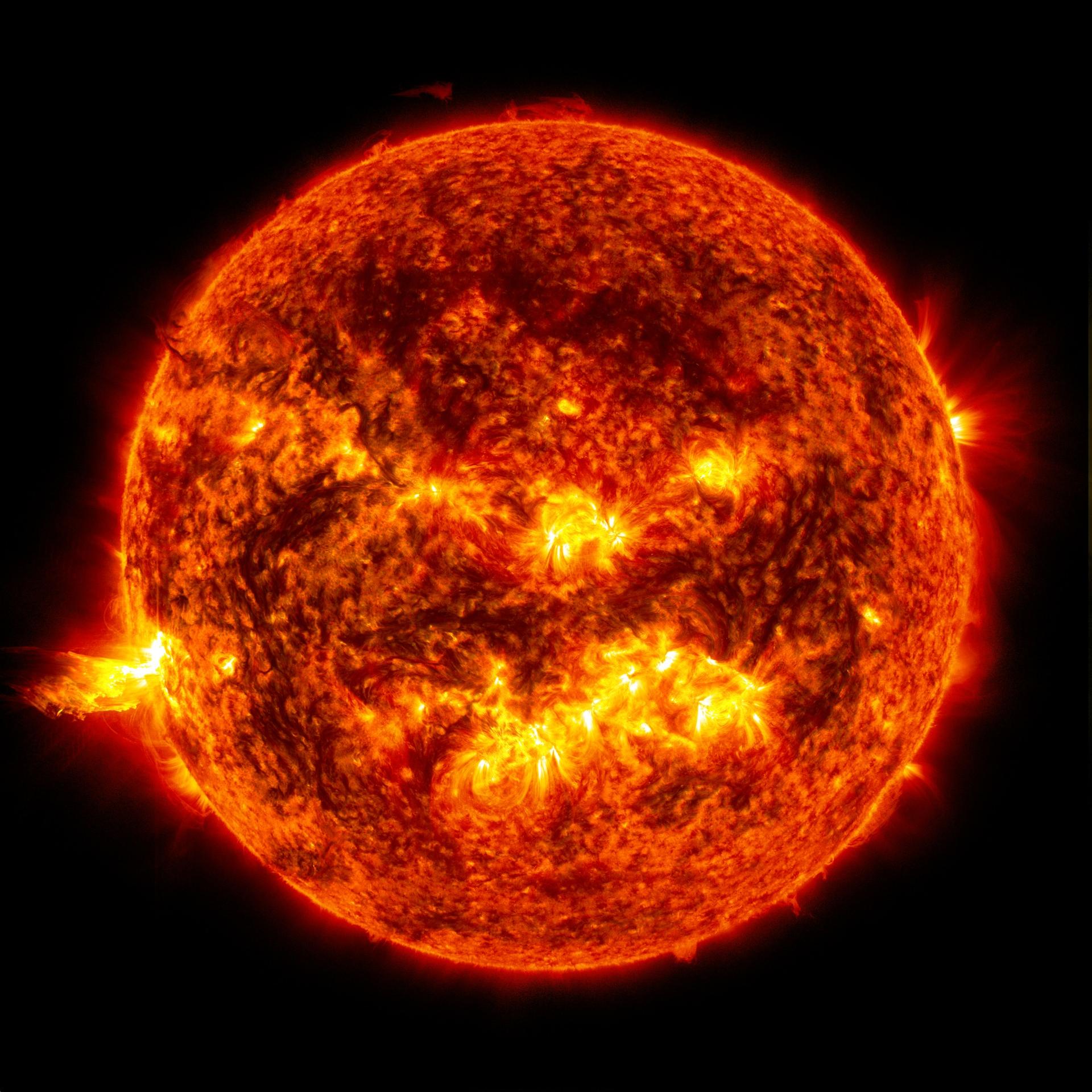
The two skies
On 29 May 1919 the Moon covers the Sun. Stars near the limb should, if Einstein is right, appear slightly out of place: light grazing the Sun is bent. Eddington’s party on Príncipe has cloud and a few usable plates. The Sobral party has more. Dyson’s Greenwich program holds the comparison photographs taken when the Sun is not there.
They are not looking at the Sun as a god. They are using a dark Sun as a weight, and the field of stars as a grid.
What they reported
In November 1919 the results are read at the Royal Society. The deflection is closer to Einstein than to a null. Newspapers make a philosopher’s stone of it. The plates remain plates: measured star positions, some better than others. Later re-reductions still find a bending. The exact drama of the announcement is not the same thing as the astrometry.
Question
What is a star, if its place on a plate can weigh a theory of gravity?