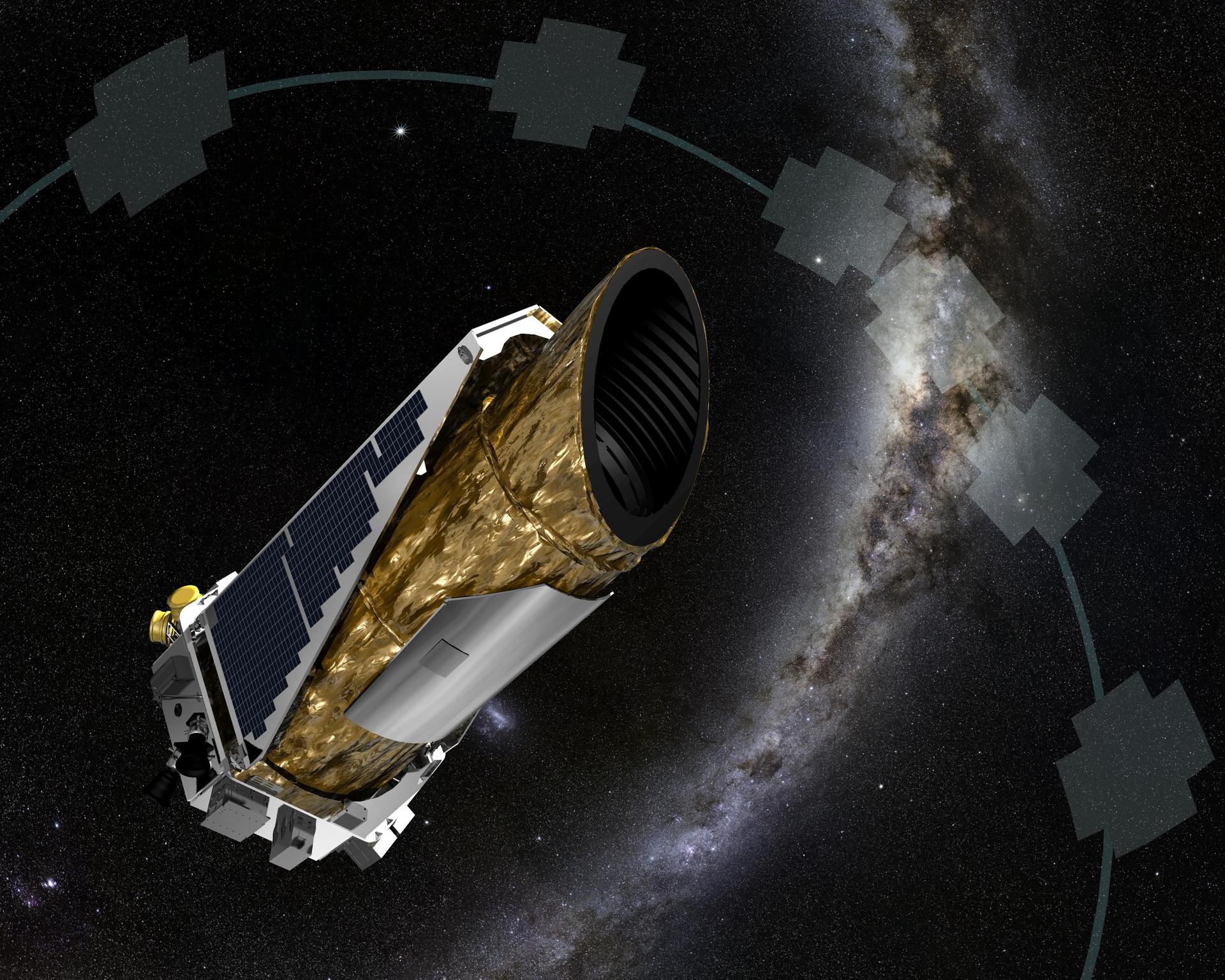
The wobble
Michel Mayor and Didier Queloz have been watching 51 Pegasi, a G-type star in Pegasus about fifty light-years away. The star’s light rocks, a little, every four days. A massive companion, close in, would do that. No one expected a Jupiter so near a Sun-like star. The period is wrong for the Solar System they were raised on.
On 6 October 1995 they publish in Nature. The rock is a world. Not Earth. Not a photograph. A planet inferred from a star that would not sit still. The method opens. Thousands of exoplanets follow.
ASTRONOMY
Radial-velocity detection measures the star, not the planet’s face. Habitable-zone language does not apply here. 51 Pegasi b, later also called Dimidium, is a hot Jupiter. What changed was the category: other suns have worlds. That is enough.
Question
What happens to the idea of a planet when the first new one is nothing like ours?